


Crowns (Caps) Explained: Function Meets Aesthetics
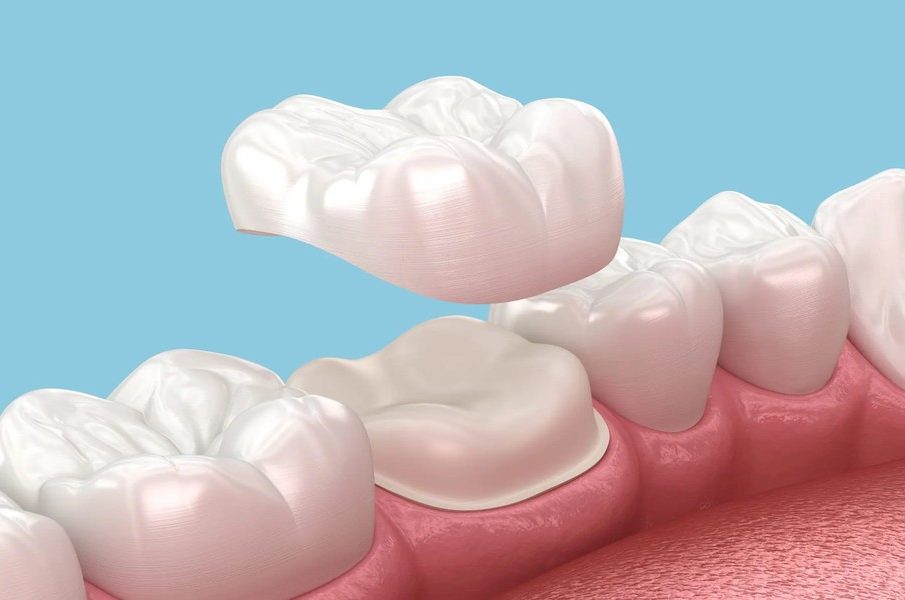
A damaged or weak tooth can change how you eat, speak, and smile. You may feel nervous about treatment. You may worry about how your smile will look. A crown, often called a cap, can protect the tooth and restore its shape and strength. It also supports a natural look that fits your face. This blog explains why crowns are used, what to expect during the process, and how they can help you feel more at ease. It also shares how a Wichita Falls dentist may plan your care so you understand each step. You will see how crowns support your bite, protect cracked teeth, and cover large fillings. You will also learn how color, shape, and size are chosen. By the end, you can talk with your dentist with more clarity and less fear.
Why you might need a crown
A crown is a custom cover for a tooth. It fits over the tooth like a snug shell. The goal is simple. You keep the tooth and regain steady function.
You might need a crown if you have one of these problems:
- A cracked or broken tooth
- A large cavity that a filling cannot support
- A tooth that had a root canal
- A tooth that is worn down from grinding
- A misshapen or deeply stained tooth
- A missing tooth that needs a bridge support or an implant crown
Each of these issues can limit chewing and speech. They can also affect your self respect. A crown can steady the tooth so you can chew without fear of more damage.
How crowns protect and support your teeth
Crowns protect teeth in three clear ways.
- They cover weak tooth structure and spread out biting force.
- They seal the top of the tooth from food and plaque.
- They restore the height of the tooth so your bite stays balanced.
Without this support, nearby teeth can shift. Your jaw may need to work harder. That strain can lead to soreness and more wear. A well made crown can break this cycle and give your mouth a stable base.
Common crown materials
Crowns come in several materials. Each choice has tradeoffs for strength and appearance. Your needs and your bite help guide the choice.
|
Type of crown |
Strength |
Natural look |
Common uses |
|---|---|---|---|
|
All ceramic or porcelain |
High for front and many back teeth |
Very high |
Front teeth and visible back teeth |
|
Porcelain fused to metal |
Very high |
High |
Back teeth that need strength and a tooth colored surface |
|
All metal, such as gold alloy |
Highest |
Low |
Back teeth where strength and long life matter most |
|
Zirconia |
Very high |
High |
Back or front teeth when you want strength and a tooth color |
You and your dentist weigh chewing needs, tooth position, and cost. You also weigh how much metal you feel comfortable showing when you smile.
What to expect during the crown process
The crown process usually follows three main steps. Some offices can combine steps.
Step 1. Exam and plan
- Your dentist checks the tooth and takes X rays.
- You talk about symptoms such as pain with chewing or cold.
- You review material choices and your insurance limits.
The goal of this visit is a clear plan. You should leave knowing the steps, the cost, and the timeline. The American Dental Association patient guide on crowns can help you prepare questions.
Step 2. Tooth preparation and temporary crown
- The dentist shapes the tooth so the crown can fit over it.
- Then the dentist takes an impression or a scan.
- The office sends that record to a dental lab.
- You receive a temporary crown to protect the tooth.
The temporary crown lets you chew soft food and speak with less worry. You still need to treat it with care since it uses weaker cement.
Step 3. Final crown placement
- You return when the lab sends the crown back.
- The dentist checks the fit and your bite.
- Then the dentist cements the crown in place.
You should feel the crown touch other teeth in a natural way. You should not feel sharp edges or rocking when you bite.
Function and looks working together
A crown is not just about looks. It is about steady chewing and clear speech. Yet looks still matter. A crown can blend with your smile so others do not notice it.
Your dentist will match:
- Color to nearby teeth
- Shape to your face and bite
- Size to the space in your mouth
Some people choose to whiten teeth before a front crown. The crown can then match the brighter shade. Once made, the crown color will not change. Careful timing of whitening protects your long term results.
Caring for your crown at home
Crowns need the same care as natural teeth. Decay can still form where the crown meets the gum. Gum disease can still progress around crowned teeth.
Key steps include:
- Brush twice a day with fluoride toothpaste
- Clean between teeth every day with floss or small brushes
- Use a mouth rinse if your dentist suggests one
- Wear a night guard if you grind your teeth
- See your dentist for regular exams and cleanings
The National Institute of Dental and Craniofacial Research explains how daily care protects teeth and gums over time in its guide on tooth decay. Strong daily habits help your crown last longer.
How long crowns last
With good care, many crowns last ten to fifteen years. Some last longer. The life of a crown depends on three things.
- Your home care and diet
- Your bite and grinding habits
- The material and fit of the crown
Hard foods such as ice or popcorn kernels can chip crowns. Sticky candy can pull at the edges. Tobacco and poor brushing can weaken the tooth under the crown. Careful daily choices protect your investment and your comfort.
When to talk with your dentist
Contact your dentist soon if you notice any of these signs around a crown.
Early care can save the crown and the tooth. Quick action also lowers the chance of infection and the need for more complex work.
A crown is a strong tool that lets function and appearance work together. With clear facts and a steady plan, you can move forward with less fear and more control over your health.


