

When Should Utah Patients See Vein Specialists for Leg Swelling?
Leg swelling is easy to dismiss after a long workday, a road trip through Utah, or several hours standing in a retail, healthcare, or warehouse job. Mild swelling may improve overnight, but recurring or worsening symptoms can signal a circulation problem that deserves professional attention.
For many patients, the key question is not whether the legs feel swollen today. It is whether the pattern is becoming more frequent, more uncomfortable, or harder to explain.
When Leg Swelling May Point to a Vein Problem
Healthy leg veins return blood to the heart with help from small valves and the movement of the calf muscles. When those valves weaken, blood can pool in the lower legs. This condition, often called chronic venous insufficiency, may cause:
- Swelling around the ankles or calves
- A heavy, tired, or aching feeling
- Tightness in shoes or socks by the end of the day
- Itching or skin irritation
- Visible varicose or spider veins
- Brownish skin changes near the ankles
- Leg cramps that worsen after standing
Symptoms often follow a predictable pattern. The legs may look normal in the morning but become swollen after work, exercise, or travel. Utah’s dry climate can also make itchy or irritated skin feel like an allergy, especially during spring and summer. However, swelling that repeatedly returns in the same area may have more to do with circulation than environmental sensitivity.
Patients who notice these patterns can consult vein specialists Utah to discuss whether a vein evaluation is appropriate. A specialist can review symptoms, examine the legs, and use diagnostic imaging when needed to assess blood flow.
Warning Signs That Should Not Wait
Not all leg swelling is caused by vein disease. Sudden swelling in one leg, particularly when accompanied by pain, warmth, redness, or tenderness, can indicate a blood clot. Shortness of breath, chest pain, fainting, or coughing blood requires immediate emergency care because a clot can travel to the lungs.
Other symptoms warrant prompt medical attention even when they are less dramatic. Make an appointment soon if:
- Swelling continues despite rest and elevation
- One leg is consistently larger than the other
- Skin becomes discolored, thickened, or unusually tender
- A sore near the ankle heals slowly
- Varicose veins begin aching or bleeding
- Symptoms interfere with sleep, work, walking, or exercise
Waiting can increase both discomfort and treatment complexity. Early evaluation may identify a manageable circulation issue before skin damage, ulcers, or reduced mobility develop. For working adults, addressing symptoms sooner can also help avoid missed shifts, reduced productivity, and the expense of repeated short-term treatments that never address the underlying cause.
Everyday Situations That Can Reveal a Pattern
A symptom journal can help patients and clinicians recognize useful details. Note when swelling appears, whether it affects one or both legs, and what makes it better or worse. Record changes after:
Long travel
Flights, road trips, and extended sitting can reduce calf-muscle movement. Swelling that appears after travel and lingers for more than a short period deserves attention, particularly if one leg is affected.
Standing-heavy work
Teachers, nurses, servers, construction workers, and retail employees may notice symptoms after hours on their feet. Compression garments, movement breaks, and leg elevation may provide temporary relief, but recurring swelling still merits evaluation.
Summer heat
Hot Utah weather can increase fluid retention and make existing vein symptoms more noticeable. If swelling returns every summer or worsens year after year, seasonal heat may be revealing an ongoing circulation problem rather than causing it alone.
Medication or health changes
Some blood-pressure medicines, hormone treatments, anti-inflammatory drugs, and other medications can contribute to swelling. Heart, kidney, liver, and lymphatic conditions may also play a role. A complete medical review helps distinguish these causes from vein-related disease.
What to Expect From an Evaluation
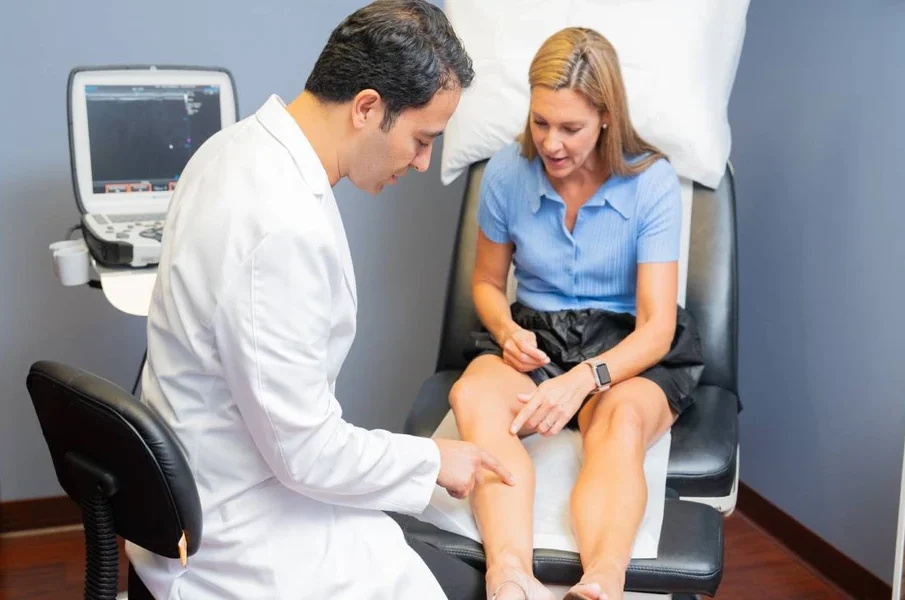
A vein appointment typically begins with a discussion of symptoms, health history, medications, work demands, and family history. The clinician may examine the legs while standing and recommend an ultrasound to evaluate blood flow and valve function.
Treatment depends on the cause and severity. Options may include movement strategies, compression, lifestyle adjustments, minimally invasive procedures, or monitoring. The goal is not simply to improve appearance. It is to reduce discomfort, protect skin health, preserve mobility, and help patients remain active through work, travel, and Utah’s changing seasons.