


Could a Deviated Nasal Septum Be Causing Your Blocked Nose?
Key Highlights
- A blocked nose is not always caused by allergies or a cold.
- A deviated septum can interfere with airflow and normal breathing.
- Persistent symptoms deserve professional evaluation to identify the underlying cause.
- Appropriate treatment depends on the severity of the nasal obstruction.
The Reality of Persistent Nasal Congestion
Living with a blocked nose can be frustrating, especially when symptoms continue despite using allergy medication or nasal sprays. Many people assume congestion is always linked to infections or seasonal allergies, yet structural problems inside the nose can produce similar complaints.
One of the most common structural causes is a deviated nasal septum, where the wall separating the nasal passages is displaced to one side. Depending on its severity, the condition may reduce airflow and make breathing through the nose more difficult.
Understanding the reason behind persistent congestion is the first step towards effective care. Visiting an ENT clinic allows a thorough assessment to determine whether deviated nasal septum treatment may be appropriate for lasting symptom relief.
How a Deviated Septum Affects Breathing
The nasal septum helps divide the nose into two passages that allow air to flow evenly during breathing. When the septum becomes significantly displaced, one side of the nose may become narrower, restricting airflow even without excess mucus being present.
Some people are born with a deviated septum, while others develop the condition following an injury to the nose. Mild deviations often cause few symptoms, but greater displacement may result in chronic congestion, noisy breathing, or difficulty sleeping comfortably.
Rather than assuming repeated nasal blockage is simply part of everyday life, identifying whether a structural issue exists is important. Assessment at an ENT clinic can determine whether the septum is contributing to ongoing breathing difficulties.
Symptoms That Suggest More Than Ordinary Congestion
Not every blocked nose points to a deviated septum, but certain symptoms make the condition more likely. Identifying these specific warning signs helps determine whether your nasal passages are structurally impaired.
- One-Sided Nasal Obstruction: Persistent blockage or difficulty breathing primarily affecting one side of the nose.
- Recurring Sinus Infections: Frequent inflammation caused by disrupted airflow and trapped mucus in blocked passages.
- Frequent Nosebleeds: Increased dryness and irritation along the uneven surfaces of the nasal lining.
- Facial Discomfort & Pressure: Localised ache or heaviness caused by impaired ventilation within the nasal cavity.
- Exercise-Induced Breathing Difficulty: Inability to draw sufficient air through the nose during physical exertion.
Managing these problems effectively involves addressing the underlying structural cause rather than repeatedly treating individual symptoms. Depending on the clinical findings, deviated nasal septum treatment may be recommended to restore normal nasal function and reduce recurring issues.
How the Condition Is Diagnosed
A detailed medical history provides valuable information about how long symptoms have been present and whether previous injuries or infections may have contributed. Understanding when congestion occurs also helps distinguish structural problems from allergies or temporary illnesses.
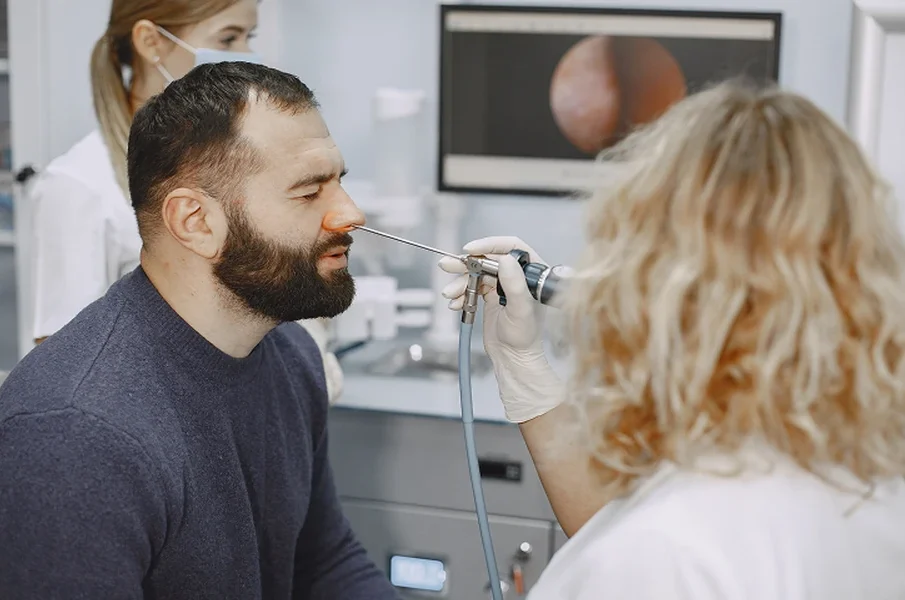
Physical examination allows the inside of the nose to be assessed carefully. In some cases, specialised instruments or nasal endoscopy may be used to obtain a clearer view of the septum and surrounding structures without requiring major procedures.
Findings gathered during the consultation help determine whether symptoms are caused by a deviated septum alone or whether other nasal conditions are also involved. A personalised treatment plan can then be developed according to the severity of the obstruction.
Treatment Options for Lasting Relief
Finding the right solution for a bent or off-centre septum depends entirely on how much it gets in the way of your breathing and daily life. While medications can help manage your symptoms, structurally straightening the septum requires a more targeted approach.
| Treatment Approach | Ideal For | What It Does |
| Conservative (Non-Surgical) | Mild congestion or occasional allergy flare-ups | Uses nasal sprays or medications to ease swelling without altering the physical septum structure. |
| Surgical Correction (Septoplasty) | Severe airflow blockage or chronic sinus issues | Reshapes and repositions the septum to clear pathways and permanently restore proper breathing. |
Getting a proper evaluation at a dedicated ENT clinic gives you a clear picture of what’s happening inside your nose, helping you decide whether simple daily management or a permanent fix will give you the best relief.
Taking Steps Toward Clearer Breathing
Persistent nasal blockage should not automatically be attributed to allergies or recurring colds. A structural problem such as a deviated septum may be responsible, particularly when symptoms continue for long periods or repeatedly interfere with breathing. Early assessment supports accurate diagnosis and helps identify the most appropriate treatment for lasting relief.
Contact Dr Leslie Koh to arrange a professional assessment if ongoing nasal blockage or breathing difficulties are affecting your daily life.
FAQ
- Can a blocked nose be caused by something besides colds?
Yes, structural issues like a deviated septum can cause persistent nasal blockage. - How do doctors diagnose a deviated nasal septum issue?
Doctors examine your nose, often using nasal endoscopy to view internal structures. - Is surgery always needed for a deviated nasal septum?
No, mild cases may be managed with medications, while surgery corrects severe ones. - What is the surgical treatment for a deviated septum?
A septoplasty procedure is used to reshape and reposition the septum for airflow. - When should I see an ENT specialist for my symptoms?
See a doctor if your nasal congestion persists despite standard allergy treatment.


