

Salvia Divinorum Extracts and Their Botanical Origins: Understanding the Relationship Between Plant Material and Extracts
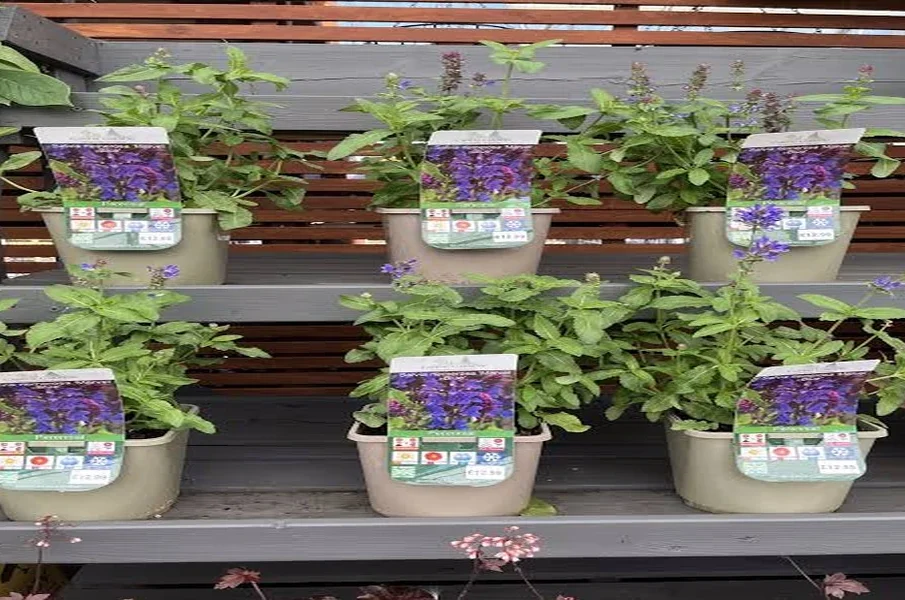
Salvia divinorum is a unique perennial plant in the mint or sage family (Lamiaceae). The plant is native to the cloud forests of Oaxaca in southern Mexico, and has been of interest to botanists due to its unique features and naturally occurring chemical compounds. It is usually found in moist soil in partial shade and humidity. It has a large green leaf and a characteristic square stem, which are typical characteristics of the sage family. The plant has long been known to be ethnobotanically important in Mazatec cultural activities.
The raw material of extracts is plant material
The connection between Salvia divinorum and its extracts starts with the leaves of the plant. They include a number of naturally occurring compounds, such as salvinorin A, which is known to be the main psychoactive compound responsible for the unique pharmacological properties of this plant. These compounds may vary in concentration due to genetic factors, environmental conditions, plant maturity and environmental factors. This means that botanical material may not be chemically identical from one plant to another or from one harvest to another.
How Botanical Extracts are different from natural leaves
Salvia divinorum extracts are concentrated extracts from the botanical material of the plant. Extracts are typically labelled by concentration ratios, e.g. 5X, 10X or more, as opposed to ordinary dried leaves. These labels are not meant to indicate a specific amount of salvinorin A, but rather a relative concentration. If you are reading about Salvia Divinorum Extracts for sale, it is essential to understand this difference because the finished product may vary in composition depending on the extraction method, quality of the plants and consistency of the chemicals used. The use of a concentration label does not imply purity or proven chemical strength.
The chemical composition and botanical variations of the plant
Several diterpenoid compounds have been identified in Salvia divinorum, such as salvinorins, divinatorins and salvinicins. Of these, salvinorin A has been the most studied due to its unique binding with kappa-opioid receptors. What’s interesting is that scientists have noticed that there are significant variations in the amount of salvinorin A in different plants. These differences can be due to growing conditions, geographical origin and cultivation practices. Thus, knowledge of the botanical origin is crucial when assessing the chemical properties of extracts from plants.
Understanding the Plant-Extract Relationship Matters
The connection between Salvia divinorum and its extracts underscores the significance of botanical identification, chemical analysis, and product transparency. Extracts from the same plant species do not necessarily constitute chemically identical extracts. Their composition is also still under investigation to gain insight into their pharmacological properties and possible health hazards. In addition, Salvia divinorum is illegal in some places. Knowing the plant’s botanical background gives a better understanding of this strange plant and the scientific issues of its concentrated applications.