

How a Maxillary Skeletal Expander Works in Growing Patients
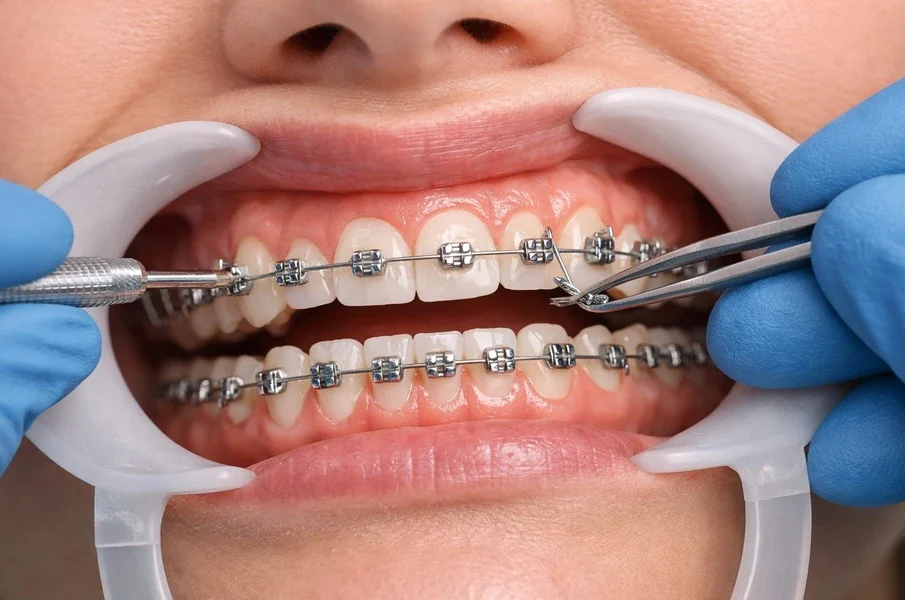
When a child’s upper jaw is too narrow, it can create more than just crooked teeth. A narrow upper jaw may contribute to crowding, crossbites, chewing difficulties, and even breathing concerns.
In some cases, orthodontists may recommend a Maxillary Skeletal Expander (MSE) to help with the widening of the maxilla at the skeletal level. If you need a specialist in MSE orthodontic treatment Keizer, you can contact McDonald Orthodontics. They can help with healthy development of your jaw and create the space needed for a balanced smile.
What Is a Maxillary Skeletal Expander?
A Maxillary Skeletal Expander, which is called an MSE, is a specialized orthodontic appliance especially designed to widen the upper jaw at the skeletal level instead of relying mainly on the teeth. Unlike traditional expanders that use the teeth as anchors, an MSE uses small titanium anchorage screws placed in the palate to apply force directly to the upper jaw bone.
The goal is simple: create more room in the upper jaw while encouraging proper jaw development.
Why Jaw Expansion Matters During Growth
In growing children, the two halves of the upper jaw are connected by a growth seam called the mid-palatal suture. Since this area is still developing, orthodontic expansion can often be achieved more effectively during childhood and adolescence. Timing plays a significant role because the suture becomes less responsive as skeletal maturity increases.
Expanding the upper jaw may help:
- Correct certain types of crossbites
- Reduce dental crowding
- Improve upper and lower jaw alignment
- Create space for incoming permanent teeth
- Support healthier facial development
How Does an MSE Actually Work?
Each device is tailored to the patient’s anatomy and positioned along the upper palate. Small titanium mini-screws, often called Temporary Anchorage Devices (TADs), help anchor the expander directly to the palatal bone.
As the expander is gradually activated, gentle pressure is applied across the mid-palatal suture. Over time, this encourages the two halves of the upper jaw to separate slightly, allowing new bone to form in the space created. This process widens the upper jaw and increases available room for teeth and surrounding structures.
It may sound dramatic at first, honestly, but expansion is typically performed gradually and under close orthodontic supervision.
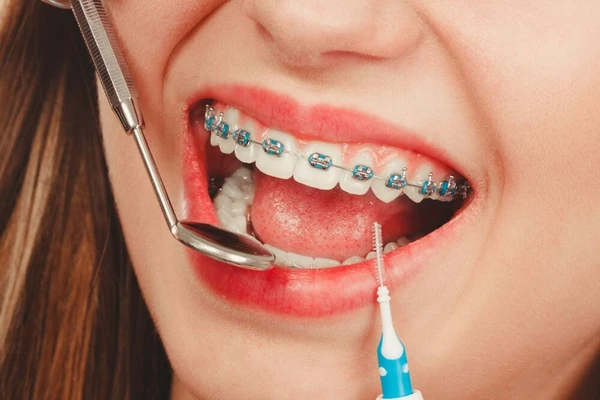
Signs a Growing Patient May Need Evaluation
Not every child needs an MSE, but orthodontists may investigate expansion when they notice:
- A narrow upper jaw
- Crossbite issues
- Crowded or overlapping teeth
- Mouth breathing
- Snoring or noisy sleep
- Difficulty chewing comfortably on both sides
An orthodontic assessment helps determine whether expansion is appropriate and which type of appliance would be most effective.
What Happens After Expansion?
Once the desired expansion is achieved, the appliance usually remains in place for a period of time while new bone stabilizes the widened jaw position. Afterward, braces or clear aligners may be used to fine-tune tooth alignment and complete treatment.
Final Thoughts
A Maxillary Skeletal Expander can be a valuable tool for growing patients with certain jaw development concerns. By addressing the issue at the skeletal level, it can help create space, improve bite relationships, and support a healthier foundation for future orthodontic treatment. The earlier potential issues are identified, the more treatment options can often be available, making an orthodontic assessment well worth considering.