


Decoding Air Purifier Performance: Key Features Allergy-Prone Households Should Never Ignore
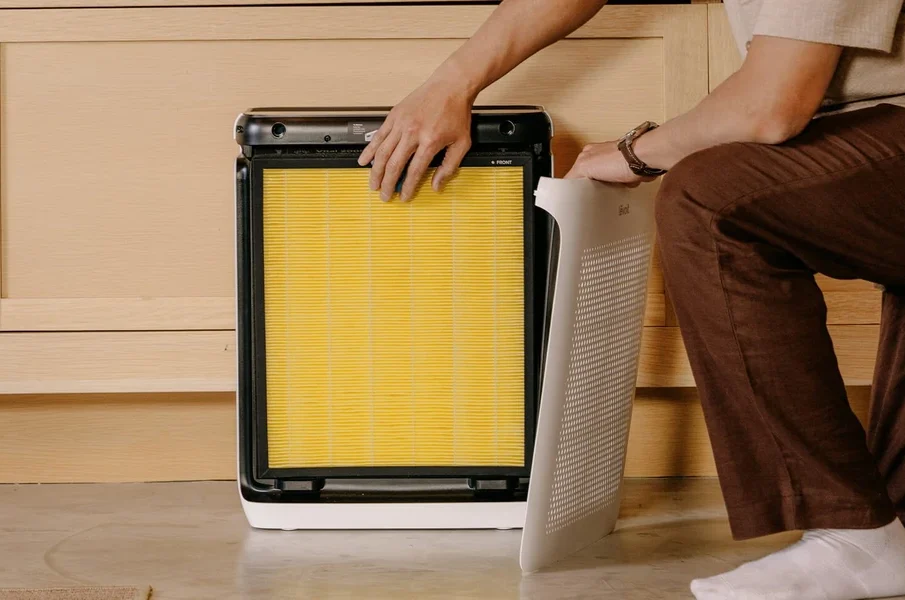
Indoor air quality affects daily comfort. Many homes face hidden allergen problems. Dust drifts through living spaces. Pet dander settles on surfaces. Pollen enters through open windows. So many families seek cleaner air. The right purifier can help greatly. But product labels often confuse buyers. Several models promise strong results. Yet actual performance may differ widely. Understanding important features helps better decisions. The right choice supports healthier living. Now informed selection becomes more valuable for allergy-prone households.
Filtration Technology Matters Most
The filtration system drives performance. The best units trap tiny particles. Dust and pollen remain common concerns. Pet allergens also create discomfort. So effective particle capture remains essential. Advanced filtration removes airborne irritants efficiently. The cleaning process should remain consistent. But weak filters often miss smaller particles. Strong filtration improves indoor conditions noticeably. Many households notice better breathing. The cleaner environment feels more comfortable. Some brands like Airdog focus on advanced purification methods. Therefore, filtration quality deserves careful attention before purchase.
Clean Air Delivery and Room Coverage
Air cleaning speed remains important. A purifier must handle room size properly. Small units struggle in larger spaces. So, coverage ratings deserve close review. Strong airflow improves cleaning efficiency. Fresh air circulates more effectively. The purification process becomes more reliable. But oversized claims sometimes mislead buyers. Accurate performance ratings build confidence. Allergy sufferers benefit from steady operation. The air remains cleaner throughout the day. The air purifiers that work best for allergies usually combine strong filtration with suitable room coverage.
Smart Sensors and Air Quality Monitoring
Modern purifiers offer intelligent features. Smart sensors track changing conditions. The system reacts automatically when needed. So, energy usage becomes more efficient. Air quality indicators provide useful feedback. Families gain better environmental awareness. The purifier adjusts cleaning intensity accordingly. But sensor accuracy varies between models. Reliable monitoring supports better results. Real-time information increases user confidence. The technology simplifies daily management considerably. Airdog and several other manufacturers include advanced monitoring options.
Maintenance Requirements and Long-Term Value
Maintenance affects long-term ownership experience. Filters require regular attention. Cleaning schedules vary among models. So, maintenance costs deserve consideration. Simple upkeep encourages consistent performance. The purifier continues working efficiently. Complicated systems create unnecessary inconvenience. But neglect reduces overall effectiveness. Durable construction improves long-term reliability. Energy efficiency also lowers operating expenses. The total ownership cost matters greatly. Airdog remains among brands emphasizing long-lasting performance.
FAQs
What Causes Indoor Allergy Problems?
Dust pollen pet dander and mold often trigger allergic reactions indoors.
Why Is Filtration Quality Important?
Strong filtration captures harmful particles and helps maintain cleaner indoor air.
Does Room Size Affect Purifier Performance?
Yes, proper room coverage ensures effective air cleaning throughout the space.
Are Smart Sensors Useful?
Smart sensors monitor conditions and adjust operation for improved efficiency.


